Why do countertops crack or gap in older homes
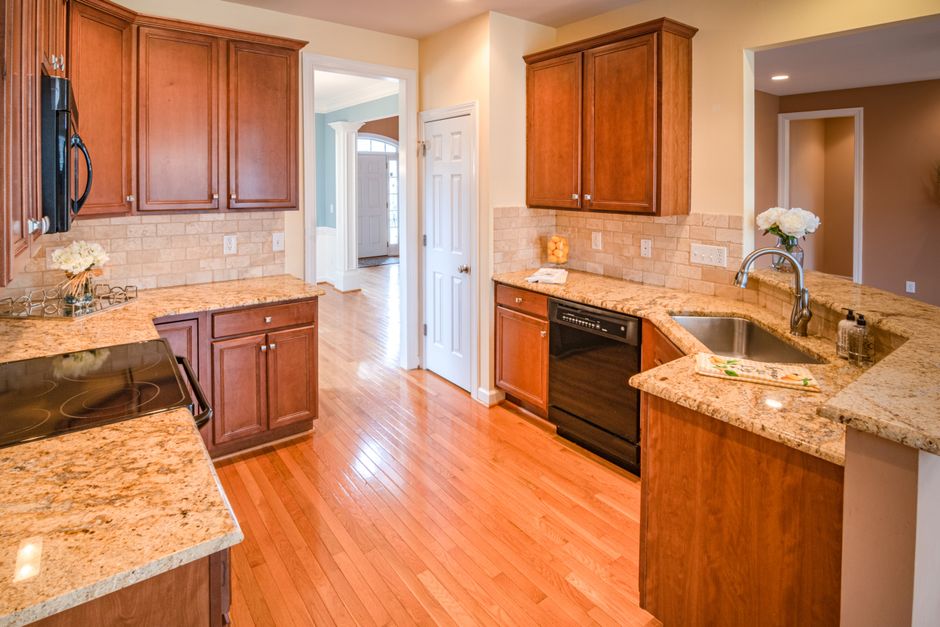
The slab is supposed to hide a bad floor. Often it just cracks along the line where the floor gave way. Most countertop problems in Dayton, OH start under the stone or laminate, not in the material, and the breakdown sitting on countertops dayton busy bee kate lists them in the order they show up on a job. Houses around the Oregon district and out through montgomery county carry decades of settling, so the base gets checked before anything is ordered.
Cabinets that are out of level
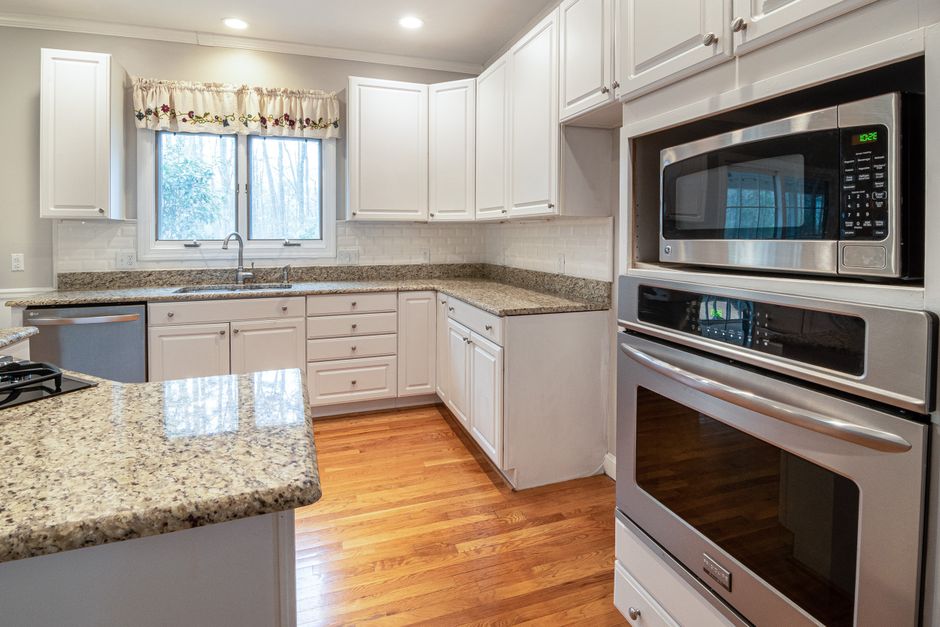
Floors that have settled over decades leave cabinets out of level, and stone set on an uneven base can crack over time. Shims under the boxes should bring the tops level and coplanar before any slab is placed. A straightedge across the run tells the story faster than a bubble level on one cabinet. Stone does not bridge a sagging cabinet, so the box gets fixed first.
Walls that are out of square
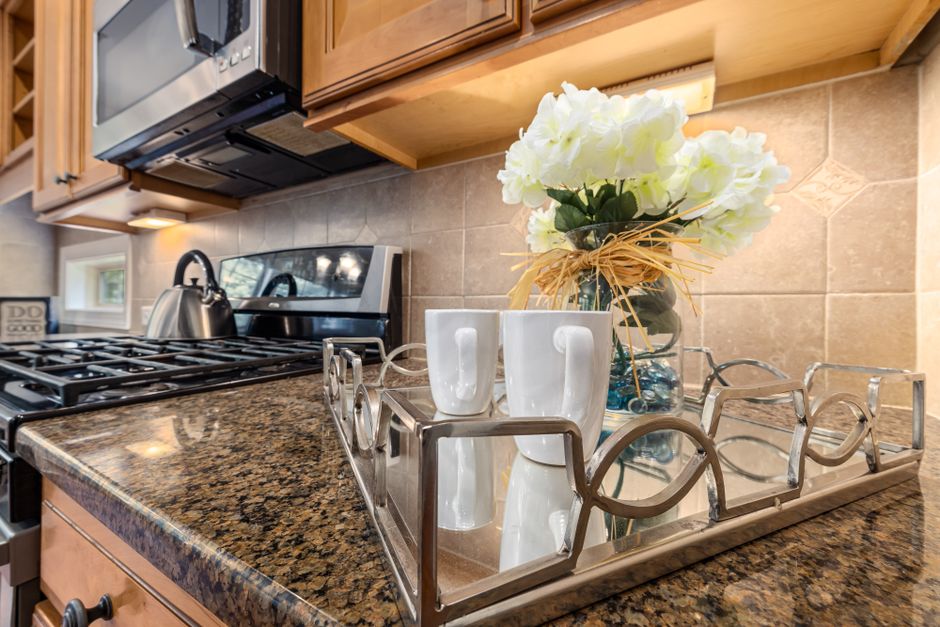
Walls in older houses are often out of square. That produces a tapering gap at the backsplash unless the template captures it. Good templating records the wall at several points, not just the corners, so the stone can be scribed or cut to follow the drift. A gap that runs from a hairline to a quarter inch across one run was usually measured with a single tape pull.
Cracks at sink and cooktop cutouts
Cracks most often start at sink and cooktop cutouts, because those are the narrowest and most stressed parts of a piece. Square inside corners concentrate load, so cutouts get a radius. Granite and quartz both need full support around the opening. A hairline crack does not always mean the slab was defective. More often the cutout was weak, or the cabinet under it was not flat.
Laminate that swells
Laminate tops on particleboard swell when water gets into seams or around sink edges, and humid summers worsen it. Once the core takes on water it does not shrink back. The fix is a new top, with the sink rim and every seam sealed during install. A bullnose or eased edge with a long exposed joint is the first place the lifting shows.
Butcher block and movement
Butcher block expands and shrinks with seasonal humidity. It should be fastened with slotted holes so the top can move, and finished on all sides, including the underside and the cutout edges. Screws driven tight through round holes split the wood by the first winter.
Seams that open later
A seam that opens later usually signals movement underneath rather than a failed epoxy alone. Reglue it without finding the cause and it opens again. Seam placement matters here, since a joint over a dishwasher or near the sink sees the most flex. Check the cabinet and the floor first, then redo the joint.