How do I judge a countertop fabricator before hiring
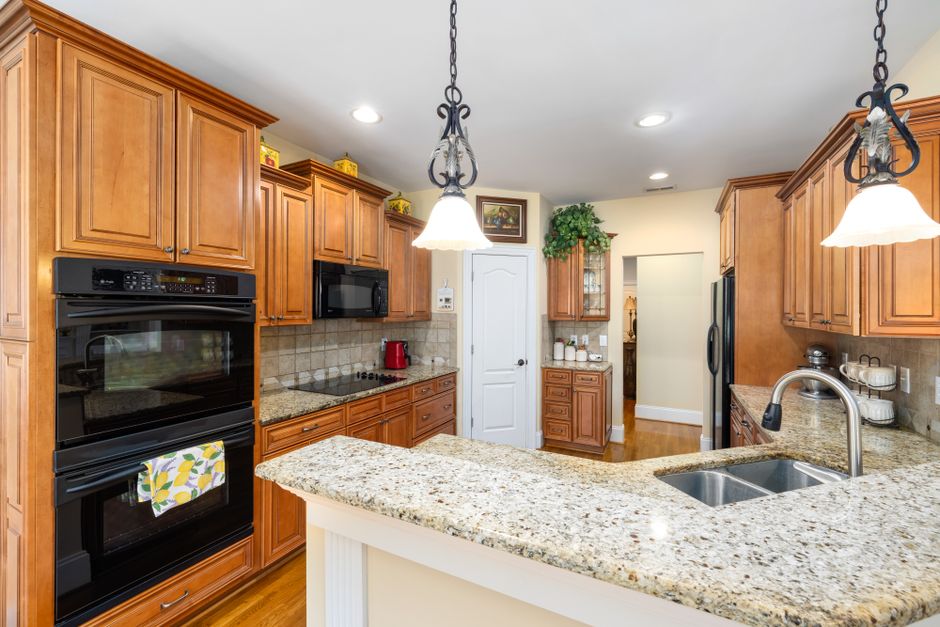
Two quartz slabs that look identical in a showroom can differ in vein, tone and thickness once they are standing in the yard, and the same goes for granite. Choosing the fabricator for countertops in Dayton, OH comes down to a handful of checks, as the notes at countertops dayton busy bee kate describe.
Approve the actual slab
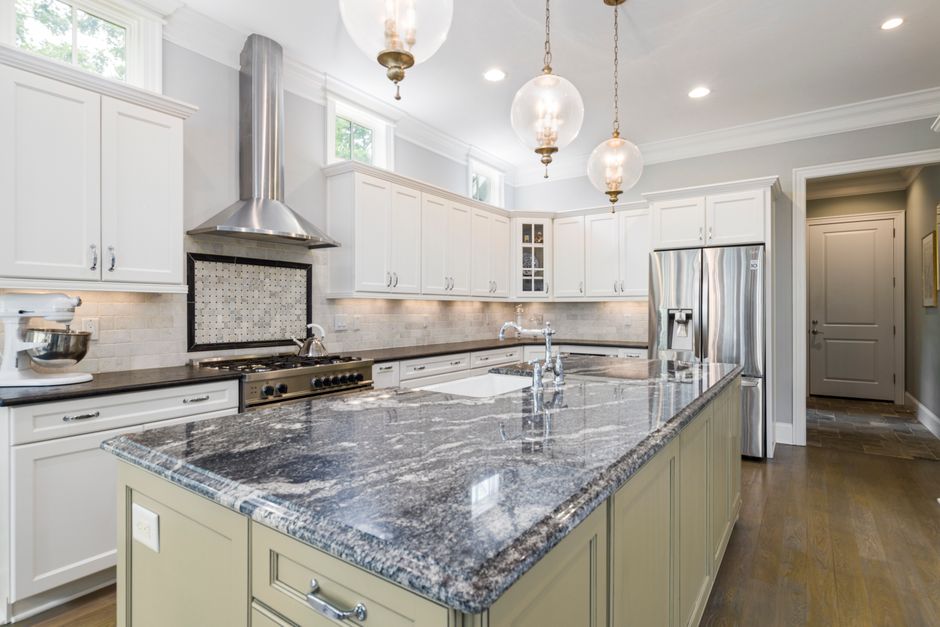
Natural stone varies from slab to slab even inside one lot. Quartzite, marble and granite all move in color and pattern, so a showroom sample does not guarantee the exact look of your slab. Walk the yard, look at the slab that will be cut, and approve it before anything is marked. Tag it with your name.
Ask for the seam layout
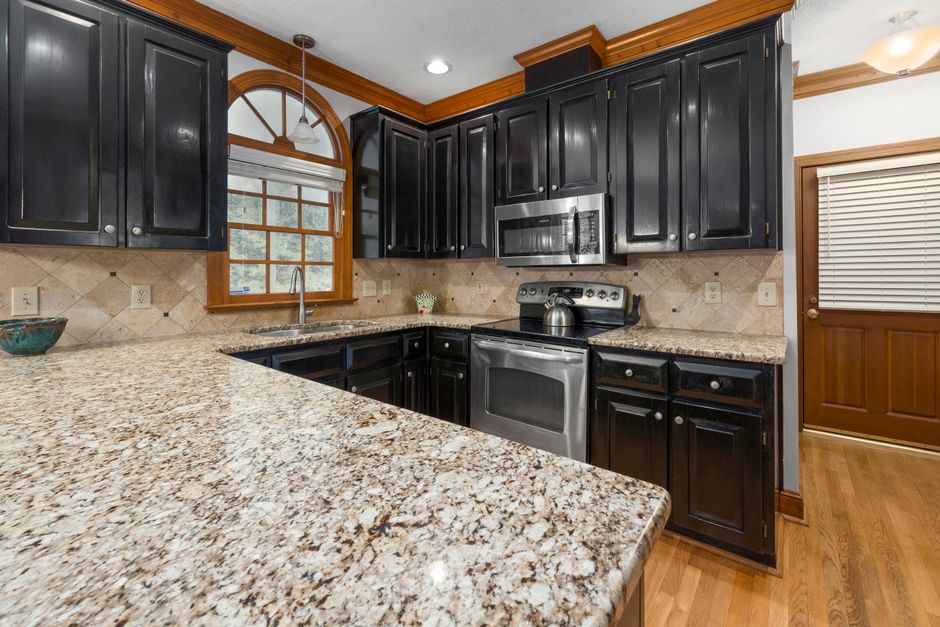
Request a drawing that shows where every joint will fall. Seam placement should avoid the sink cutout corners and the cooktop span, where stress concentrates. A long run in Dayton, OH kitchens often needs one seam, and the drawing tells you exactly where. Without it, the crew decides on the day.
Templating and fit
Ask whether templating is digital or physical. Either can be accurate, but someone has to own the result. Get an answer on who pays if pieces do not fit a wall that is out of square. Older homes near the Oregon district and in Montgomery County often have walls that bow, and the template has to follow them.
Scope of the bid
The lowest bid does not include the same scope as the others. Confirm what is included: tear out of the old top, sink cutout, faucet holes, edge profile, and plumbing disconnect and reconnect. An eased edge costs less to polish than a bullnose or a waterfall edge, so the profile belongs on the written quote. Quartz brands do not all perform identically, so the brand and thickness should be named too.
Past work, overhangs and care
Look at finished seams and edges on past jobs. Flush, tight seams and a consistent polish along the whole edge show skill. A seam you can catch a fingernail on is a poor sign. Then ask how an overhang will be supported and what thickness they recommend for your layout. A seating overhang on an island needs brackets or corbels once it runs past the cabinet by a good margin, and thinner material needs more support.
Last, ask what care the material needs. Granite and marble usually want sealing, while quartz generally does not. Ask whether the first sealing is done at install, and get the product and the interval in writing. Laminate, butcher block, solid surface, soapstone and porcelain each have their own upkeep, so the same question applies to any of them.